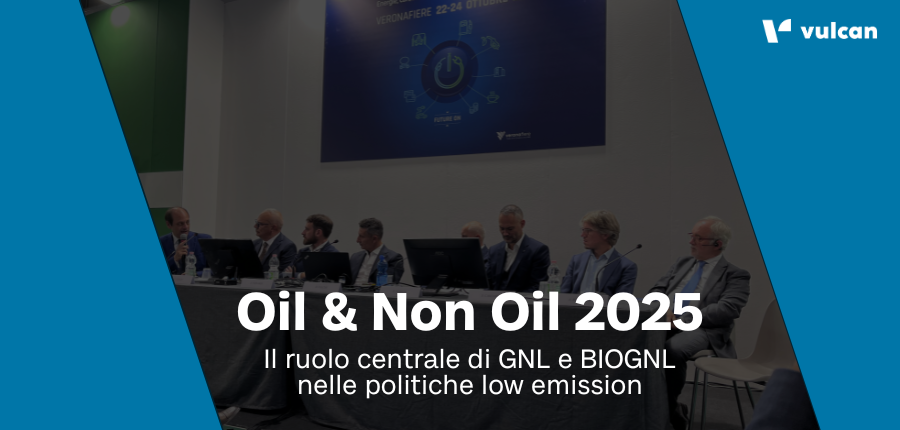
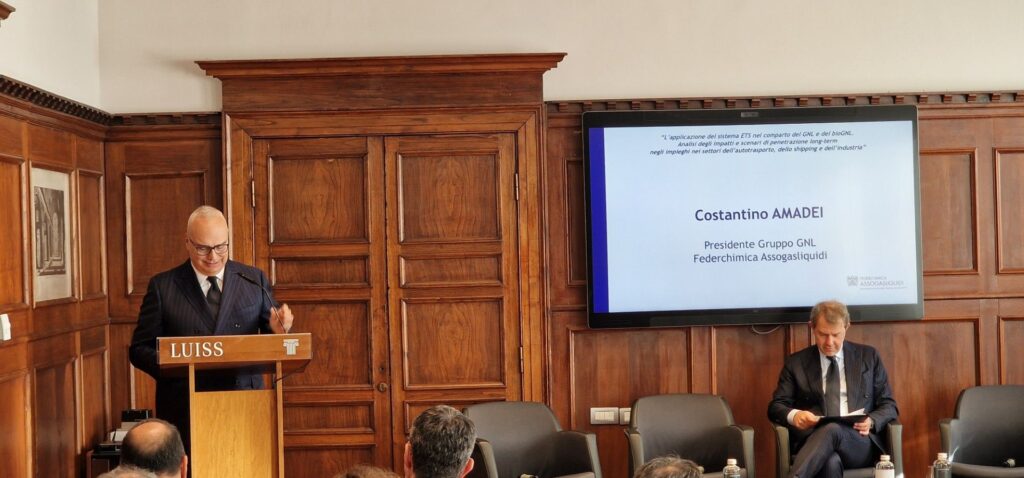
The event titled “The Application of the ETS System in the LNG and BioLNG Segment,” organized by Assogasliquidi took place on November 19.
During this occasion, Costantino Amadei – President of the GNL Group Assogasliquidi and Member of the Board of Vulcan – spoke about the entry into force of the new ETS regulation. He emphasized the need for a series of incentives or aids for the road transport sectors, which in recent years have suffered somewhat due to the surge in raw material prices at the source.
Assogasliquidi’s request is expressed as a three-year structural intervention that can encourage transporters to reinvest in the purchase of LNG and BioLNG vehicles. We must not forget that these fuels are currently available and can effectively serve the decarbonization of both heavy and maritime transport, using readily available technology, and are also socially much less impactful compared to other forms of fuel.
What does the new ETS2 regulation say?
The ETS2 regulation falls under the European legislative package known as “Fit for 55” and represents a fundamental step in the European Union’s climate policy.
Unlike ETS1, which covers heavy industry and energy production, ETS2 aims to decarbonize two sectors traditionally considered difficult to cover: road transport and buildings.
A significant portion of the revenues generated by the ETS2 auctions will be allocated to the Social Climate Fund (SCF), whose objective is to support the most vulnerable citizens and businesses, also financing investments in energy efficiency and zero or low-emission mobility.
In this regard, Assogasliquidi requests that a significant portion of the proceeds be reinvested directly into the sector that generates them (i.e., transport and industry) to finance decarbonization, including incentivizing the purchase of LNG and BioLNG vehicles—fuels certified as sustainable and already available on the market.